Git slash stores all modified tracked, untracked, and ignored files and helps the user to retrieve the modified content when requires. It allows the git user to save changes that can be required in the future and helps the user to clean the current working directory quickly. It stores the uncommitted changes of the tracked files by default and omits the untracked and ignored files.

But sometimes, it requires saving the untracked files. The untracked files can be slashed in by using –include-untracked option of git stash command and git add command. How these commands can be used to save untracked files in git has shown in this tutorial. Git stash, All untracked files are also stashed and then cleaned up with git clean .

This option is only valid for pop and apply commands. Tries to reinstate not only Use git stash when you want to record the current state of the working directory and the index, but want to go back to a clean working directory. The command saves your local modifications away and reverts the working directory to match the HEAD commit. The untracked files of the repository can be saved without using the –include-untracked or -u option of the "git stash" command.
The first thing to understand is why stashing changes in Git is important. Assume for a moment that Git doesn't have a command to stash changes. Suppose you are working on a repository with two branches, A and B.
The A and B branches have diverged from each other for quite some time and have different heads. While working on some files in branch A, your team asks you to fix a bug in branch B. You quickly save your changes to A and try to check out branch B with git checkout B. There is another git command to restore the saved untracked files in the repository folder when needed.

Run the following command to check the list of files and folders of the current repository folder and restore the previously stashed untracked files in the repository folder. Here, the "ls" command is used to show the list of files and folder of the repository folder, and the "git stash apply" command is used to restore the untracked files. Unlike the git stash pop command, the git stash apply command does not remove the stashed state (i.e.) stash entry from the stash list. It only applies the given stash entry on top of the current working tree state. It is not possible to switch branches unless you have committed the files in the current branch.

If your work on some files is in a mess and you want to change to another branch or fix other files in the current branch, a "global" commit affecting all files might be immature. It records the state of your files and sets you back to the state of the last commit in the current branch. With git stash apply you will update the files in this branch to the state when you did the last git stash. This is useful if the branch on which you ran git stash push has changed enough that git stash apply fails due to conflicts.

Since the stash entry is applied on top of the commit that was HEAD at the time git stash was run, it restores the originally stashed state with no conflicts. The following output shows that the list of tracked and untracked files of the current repository is like the previous commands of stashing the unstacked file. The untracked file is removed from the repository folder after executing the "git stash" command. The modifications stashed away by this command can be listed with git stash list, inspected with git stash show, and restored with git stash apply.

Calling git stash without any arguments is equivalent to git stash save. A stash is by default listed as "WIP onbranchname ...", but you can give a more descriptive message on the command line when you create one. The git stash command will only stash staged and unstaged changes to files already being tracked in the Git repository.

By default, the stash command does not include untracked changes. Different ways of stashing untracked files and cleaning the current repository directory have been described in this tutorial using the "git stash" command. How the untracked files can be restored using the "git stash" command was also shown here. The concept of the tracked and untracked files and the way to stash the untracked files in git will be cleared for the git users after reading this tutorial.

You can see that Git re-modifies the files you reverted when you saved the stash. In this case, you had a clean working directory when you tried to apply the stash, and you tried to apply it on the same branch you saved it from. Having a clean working directory and applying it on the same branch aren't necessary to successfully apply a stash. You can save a stash on one branch, switch to another branch later, and try to reapply the changes.

You can also have modified and uncommitted files in your working directory when you apply a stash — Git gives you merge conflicts if anything no longer applies cleanly. The modifications stashed away by this command can be listed withgit stash list, inspected with git stash show, and restored with git stash apply. Calling git stash without any arguments is equivalent to git stash push. A stash is by default listed as "WIP on branchname …", but you can give a more descriptive message on the command line when you create one. Luckily, Git provides a mechanism to handle cases like this through the command git stash. The stash command takes the uncommitted changes in your working directory, both the updated tracked files and staged changes, and saves them.

When a developer uses the git stash apply command, the most recently saved stash overwrites files in the current working tree but leaves the stash history alone. In contrast, the pop command restores files but then deletes the applied stash. Run the following commands to check the file and folder list of the repository folder. Save the untracked files and check the file and folder list of the repository folder again. Here, the "ls" command is used to show the list of files and folder of the repository folder, and the "git stash –include-untracked" command is used to save the untracked files.

The modified untracked files can be saved using the "git stash" command in two different ways. One way is to use the –include-untracked option with the "git stash" command. Another way is to use the -u option with the "git stash" command. Warning.You can get the stashed files back by git stash apply. It is possible to multiple git stash and git stash applycommands.
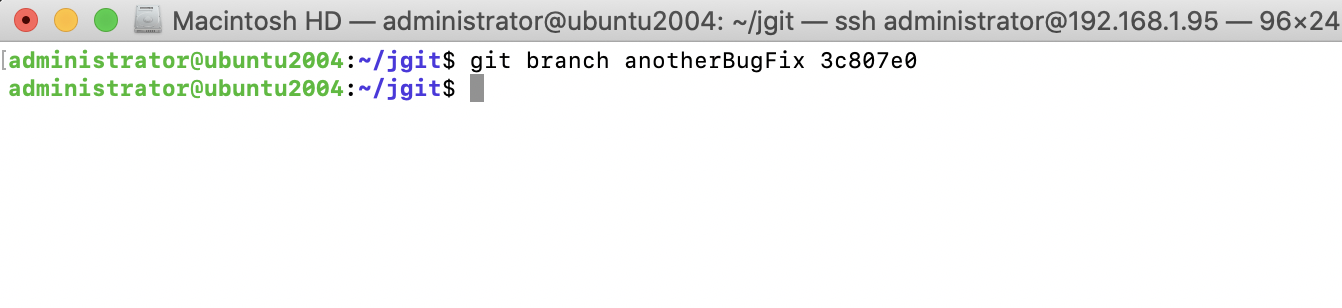
A good advice is therefore to do git stash only once to get back to a clean state and then move the unfinished messy files to a separate branch with git stash branch newstuff. Branching and stashing are nice features of Git that allow you to try out new things without affecting the stable version of your files. Usually, you extend and modify files quite often and perform a git commit every time you want to record the changes in your local repository. Imagine that you want to correct a set of errors in some files and push these corrections immediately. The problem is that such a push will also include the latest, yet unfinished files that you have committed.
Another common thing you may want to do with stash is to stash the untracked files as well as the tracked ones. By default, git stash will stash only modified and staged tracked files. If you specify --include-untracked or -u, Git will include untracked files in the stash being created. However, including untracked files in the stash will still not include explicitly ignored files; to additionally include ignored files, use --all (or just -a).
The main reason for this is that git stash push introduces the option of stashing selected pathspecs, something git stash save does not support. You may omit the file spec if you want to patch in many parts. Or omit patch to get all changes to a single file.

Replace 0 with the stash number from git stash list, if you have more than one. Note that this is like diff, and offers to apply all differences between the branches. To get changes from only a single commit/stash, have a look at git cherry-pick --no-commit. For auto-merge to work, the same files cannot be modified both in the working copy and in the stashed copy-to-be-merged.
Finally, stash apply doesn't remove the item from stash like git stash pop would. Git-stash Documentation, Remove a single stashed state from the stash list. I.e. stash@ , otherwise must be a valid stash log Deleting a Particular Stash Choose a stash index you want to delete. Now, run the git stash command followed by the drop option and your stash index.
Run the following commands to check the tracked and untracked files of the repository. You can't switch branches if you have local changes. However, you can create a new branch and selectively add/commit files, and then create another branch and do the same recursively... Then checkout the original branch and selectively merge back in. It actually seems the natural way to do things, as you're essentially creating feature branches.

Note that the git checkout approach copies the exact file from the stash -- it doesn't merge it with what's in your working directory like git stash apply would. (So if you have any changes from the base the stash was created on, they'll be lost). To reapply our stashed changes at a later point, we can use git stash apply .
We can apply the stash entry to a different branch – it doesn't have to be the branch that we created the stash from. Pulls in commits from the central repository made by others. Go to Resolving_merge_conflicts_in_Git for more information. Suppose you have performed some extensive edits in some files and then you are suddenly interrupted. You need to fix some typos in some other files, commit the changes, and push.

The problem is that many files are in an unfinished state - in hindsight you realize that those files should have been modified in a separate branch. First run git stash to get the files back to the state they were at the last commit. Then run git stash branch newstuff to create a new branch newstuff containing the state of the files when you did the git stash command.

Stashing used this way is a convenient technique to move some immature edits after the last commit out in a new branch for further experimental work. How to git stash untracked files with a push Need to add untracked files and otherwise ignored files into the git stash? Here's how to use the --include-untracked and --all git stash push options.

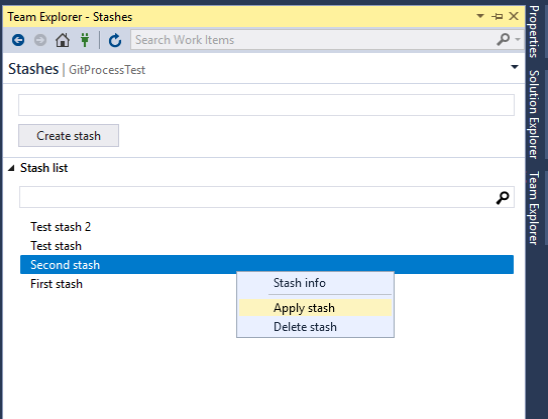
The git stash command shelves changes made to the working copy so you can do another work, and then return and re-apply them. To stash a specific file, use the "git stash push" command and specify the file you want to stash. However, the other tracked files that may be modified in your current working directory are untouched. You can reapply stashed changes with the commands git stash apply and git stash pop. Both commands reapply the changes stashed in the latest stash (that is, stash@).
A stash reapplies the changes while pop removes the changes from the stash and reapplies them to the working copy. Popping is preferred if you don't need the stashed changes to be reapplied more than once. As I discussed in the beginning, by default git stash command wouldn't stash the untracked files and ignored files. If you want to stash all the files including untracked ones as well as ignored ones add a --all flag with the stash command. [Note that, only tracked files will be stashed by default with this method.

How to stash 'untracked files' will be explained later. Git stash and apply, Quick "TL;DR" take-away version, so one can come back later and study more. Unsurprisingly, Git has a solution for most problems that arise in version control since it's been around for such a long time. Here we've seen how to handle the use-case where you have changes in your working directory, but you want to switch branches and not commit the unfinished changes. The stash command can be very powerful, and there are more features to it than what was covered here, like various flags that are available, which we'll save for another article.

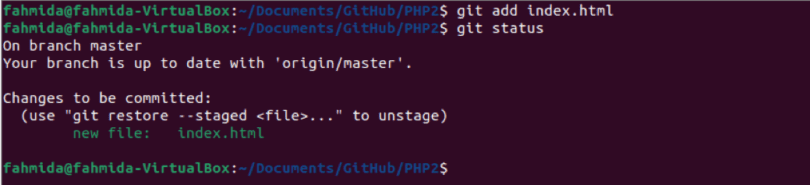
The git fetch command downloads commits, files, and refs from a remote repository into your local repo. If you made two stashes, then just call git stash pop twice. As opposed to git stash apply , pop applies and removes the latest stash. You have to create a local repository with one or more files and folders to check the commands used in this tutorial to stash the untracked files.
You create a patch, include the commits you are ahead of the remote branch, and reset your branch to HEAD of the remote branch. You then pull the changes of your teammate and apply the patch you created earlier. If you are both working on the same branch and modifying the same files, then it is still possible that you need to perform a manual merge. It takes your modified tracked files and staged changes and then saves them on a separate stack in your local repository. Nothing in your stash is transferred when you push to the remote repository. Git pull --rebase creates a nicer history than git pull when integrating local and remote commits.

It avoids a merge commit, so the history is less cluttered and is linear. It can make merge conflicts more onerous to resolve, which is why I still recommend git pull as the entry-level solution. If it happens, the git push will fail because it was too large. In this case the user has changes that were committed, and nothing that would be lost from the working directory.


No comments:
Post a Comment
Note: Only a member of this blog may post a comment.